 Culinary Culture of Monga Old Town
Post date:2025-06-17
544
- Travel days
- 1-Day Tour
- Themed Itineraries
- Recommended, Explore WANHUA
Introduction
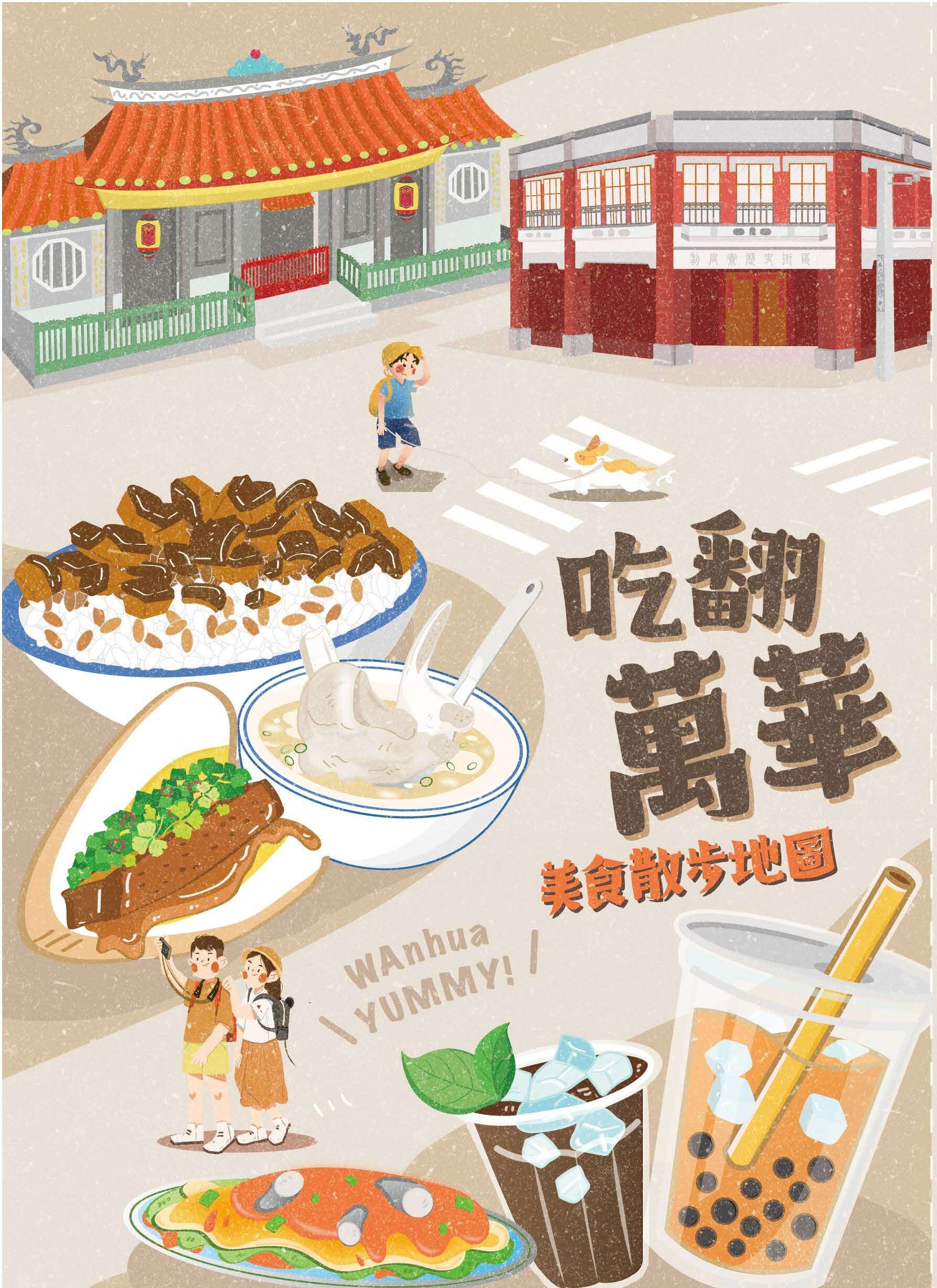
Longshan Temple MRT Station ➡ U-Market (Xinfu Market) ➡ Monga Da Fond Fishball ➡ Bopiliao Historic Block ➡ Chuan Yeh Ba Wan ➡ Lungshan Temple ➡ Xiyuan Road-Buddhist Article Street ➡ Qingyun Building ➡ Huaxi Street Tourist Night Market
U-Market (Xinfu Market)
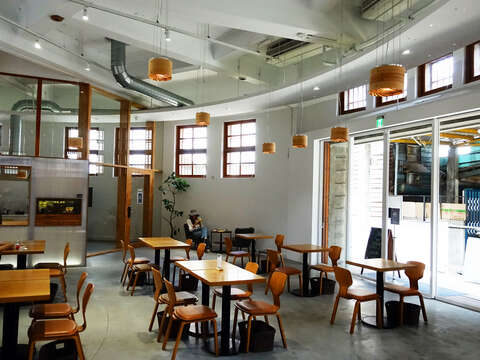
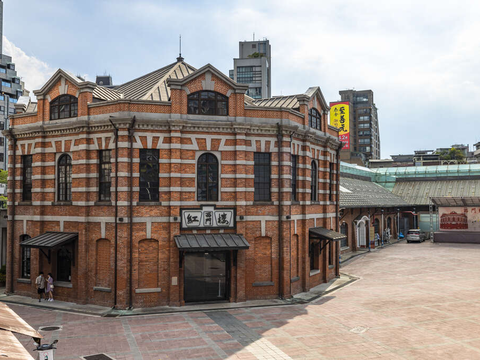
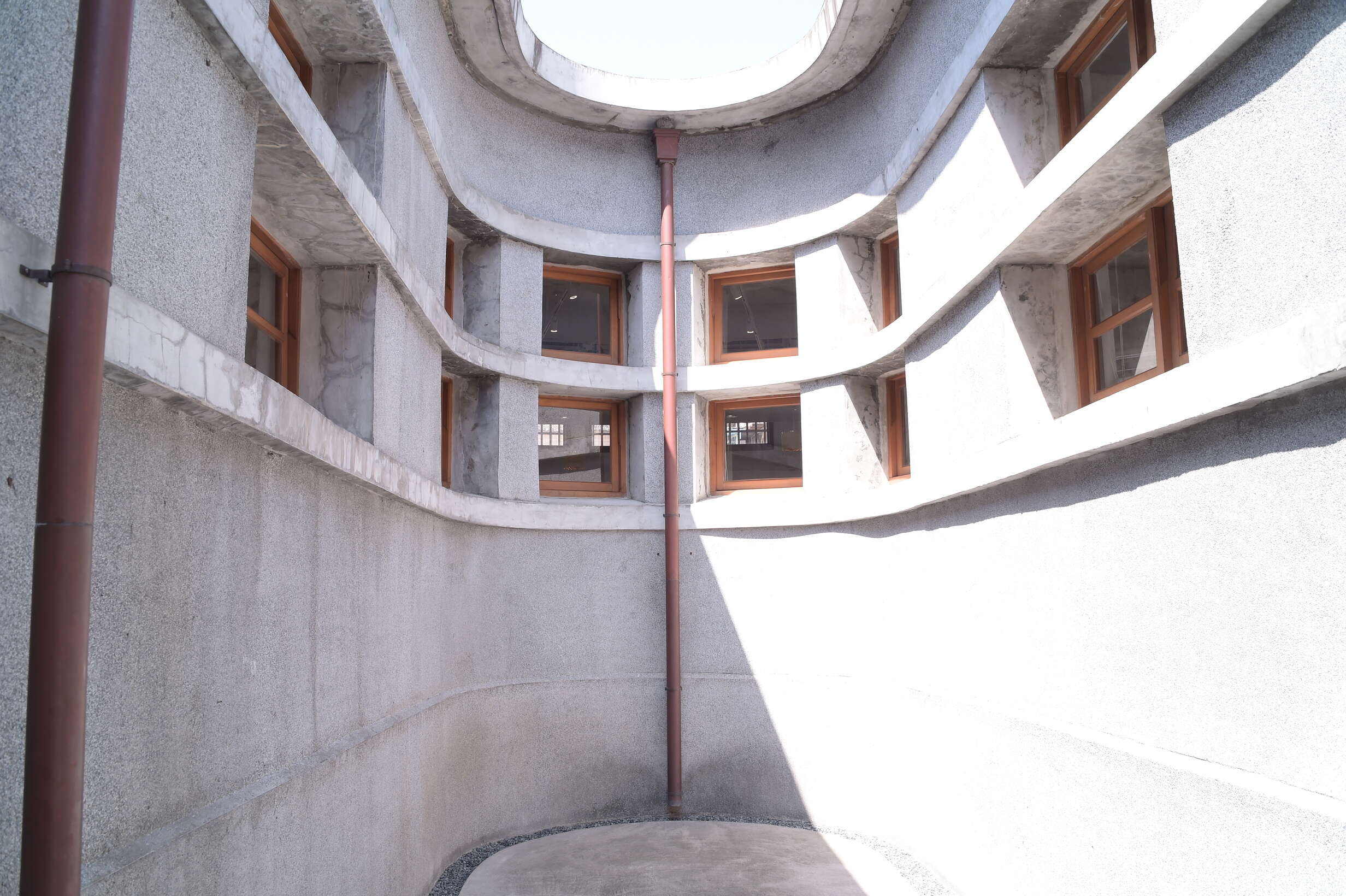
Constructed in 1935 during the Japanese colonial Period, the original governmental-owned U-Market has been transformed into a cultural space featuring a bar and art exhibitions inside this Japanese style building.
Monga Da Fond Fishball
【Brand story】
As the big ship entered the harbor, it brought the abundance of the sea. A family from the north, who had settled in Keelung in their early years, embarked on this journey. The grandfather, accompanied by his 13-year-old son, made a name for themselves by crafting every piece of fish ball with dedication. Years later, in the Dong San Shui Market of Wanhua, Taipei, the son found his place and started his own business. He ground fresh fish into a paste and meticulously prepared the ingredients for deep-fried treats, developing strong hands from a young age and braving the chilling sub-zero temperatures. Through the passing years, the spirit of craftsmanship was passed down through three generations of the Zheng family. They remain faithful to their grandfather's original recipes while constantly innovating. The old flavors of Wanhua, fresh and abundant fish balls, are a true delight. Enjoy them while they're fresh!
【Key points of transformation】
The market's old fish ball stall transforms into a culinary and tourist highlight in Mengjia.
Formerly known as “Da Feng Fish Ball,” this 60-year-old establishment is situated in the East San Shui Street Market of Wanhua. The owner, also a member of the local vendors' association, aspired to lead fellow market vendors through his own achievements. Due to the similarity of their trademark with that of other businesses and the lack of trademark usage rights, their brand expansion faced challenges.
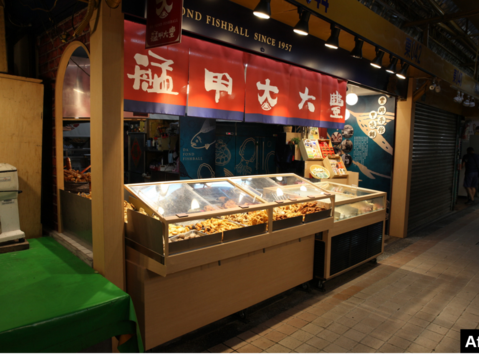
Through a transformation, the brand has been repositioned as “Mengjia's old skilled artisan fish ball shop,” emphasizing quality products and artisanal craftsmanship. They have embraced a new name, “The Fond Fishball,” along with the slogan, “Handcrafted Excellence.” Their stall, with its Japanese-style seafood shop theme, has been revamped to exude a warm ambiance. Combined with a dine-in area and hands-on experience opportunities, this transformation has turned the East San Shui Street Market into a culinary and tourist attraction in Mengjia."
Heritage and Culture Education Center of Taipei (Bopiliao Historic Block)
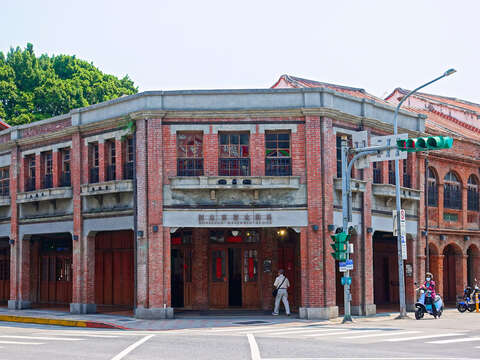
Featuring well-preserved street style from the Qing Dynasty and traditional shophouses, this architecture space reflects the historical development of Monga with its unique historic culture and architectural elements.
Chuan Yeh Ba Wan
【Brand story】
In 1910, next to the Hsinchu Chenghuang Temple, our ancestor Chen Chengye started his business by shouldering the burden and selling meatballs. Later, under the guidance of the Ling'an Zunwang of Hsinchu's Qingshan Temple, our ancestors, along with our grandfather, moved the entire family to Mengjia. Here, they continued to receive the protection of Qingshan Temple's divine presence.
The name “Hsinchu Meatballs” was chosen to honor their place of origin. They marinated fresh pork hind legs in red yeast sauce for a day and a night. Handcrafted and kneaded for flavor, the meatballs were rich and fragrant. They used sweet potato starch and five-grain rice to hand-make the chewy meatball skin. Adding Puli shiitake mushrooms and Chiayi bamboo shoots enhanced the texture and aroma. Deep-fried in medium heat, traditional red yeast sauce is drizzled over them.
From generation to generation, the Chen family has continued to make meatballs by hand every day.
Starting in Hsinchu and establishing roots in Mengjia, both places have been blessed by the Qingshan Wang. In 2021, we took one character from our ancestor's name and renamed our business to “Chuan Ye Meatballs,” with the hope that our family's century-old legacy will remain forever, and our delicious meatballs will continue to be enjoyed for generations to come.
【Key points of transformation】
The old meatball store deepens its heritage, and the green hills of both places have protected it for a hundred years.
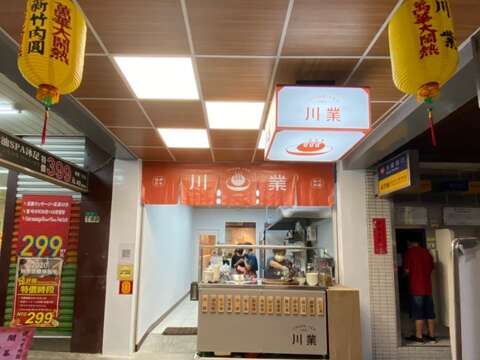
Established in Hsinchu, a century-old brand of meatballs, owes its origins to the inspiration from the local Qing Shan (Green Hill) Temple. Generations before, the family moved to Wanhua. Last year (2021), the Hsinchu meatball store was renamed “Chuan Ye Meatballs,” and the store was renovated. This light transformation refines the brand's core, positioning it as “Centennial Traditional Red Fermented Meatball” and using the slogan “Green Hills Remain, Deliciousness Flows Like a River” to focus on the connection between the brand and the Qing Shan Temple in Hsinchu and Mengjia (Wanhua). It includes adjusting the large wall paintings of the Mengjia Qing Shan King Festival inside the store and decorating the storefront and arcade to strengthen the memory and historical foundation of the hundred-year-old store."
Lungshan Temple
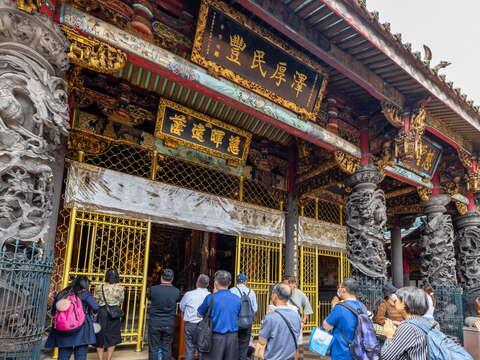
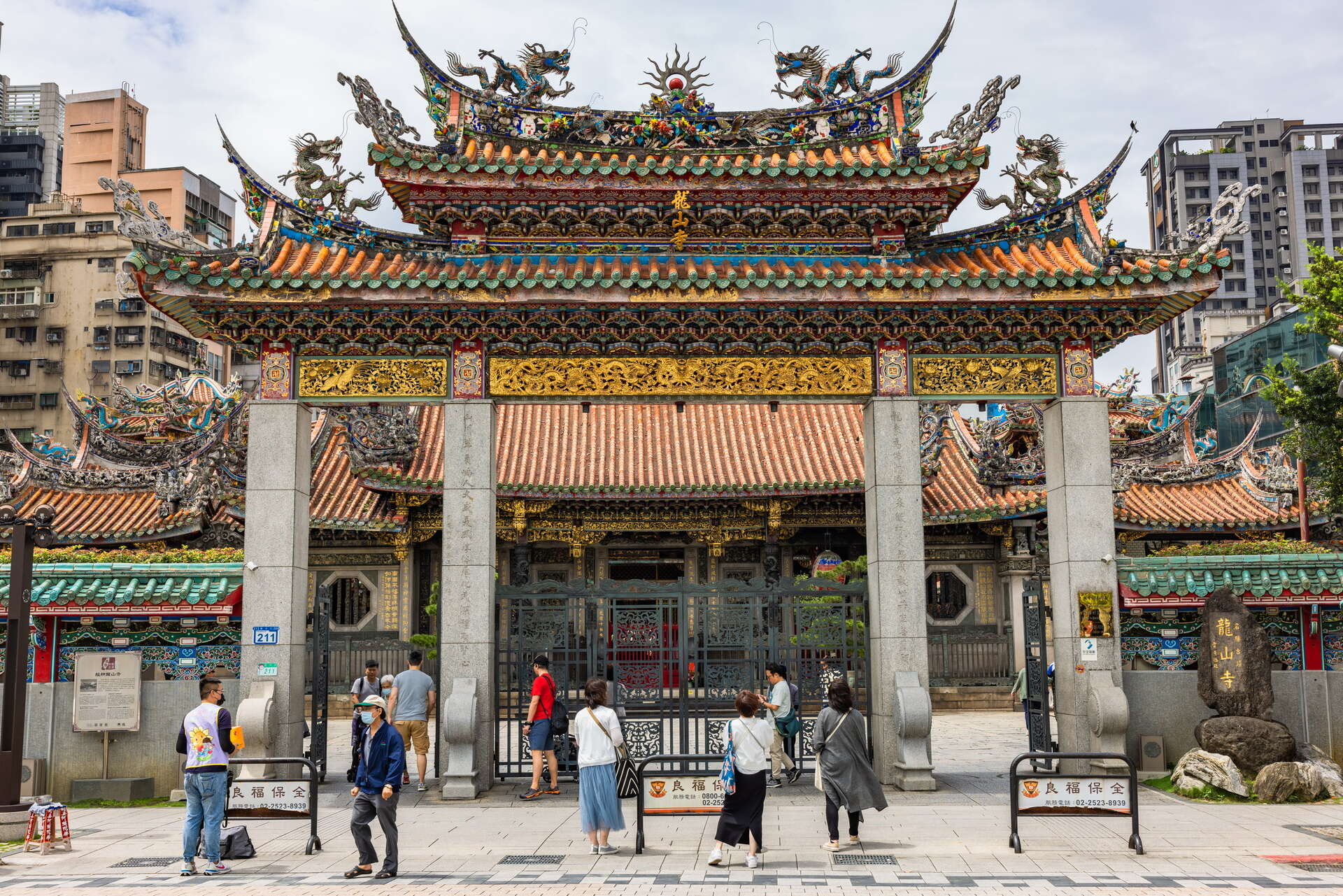
Built in 1738, Lungshan Temple is a representative building of Taiwan's traditional temples that combines the palace-style Chinese architecture. As a national monument, the temple attracts countless domestic and foreign tourists each year.
Xiyuan Road-Buddhist Article Street
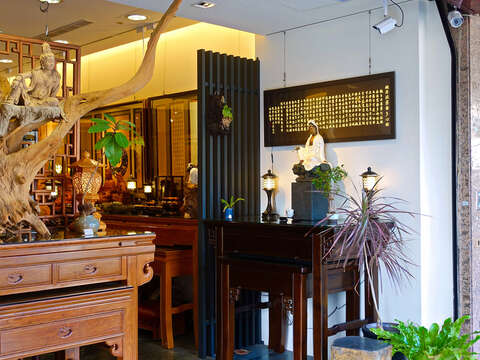
Xiyuan Road-Buddhist Article Street is a famous Buddhist art shopping street in Taiwan. There are about 20 Buddhist art shops on both sides, presenting fully the rich diversity of Taiwan's religious culture.
Qingyun Building
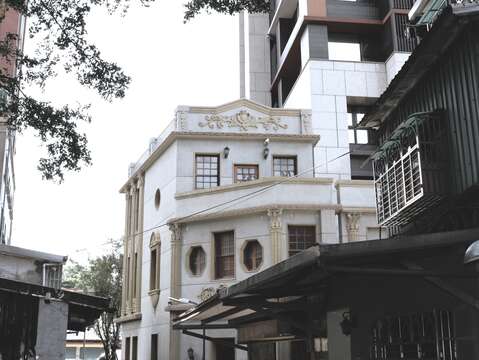
Navigating along the bustling Huaxi Street, slipping into winding alleys, one unexpectedly encounters the unique townhouse style of Wanhua District, like a graceful exotic lady standing amidst bustling surroundings. The Qingyun Building possesses a captivating architectural style. Besides being a landmark of the red light district during the Japanese colonial period, it was also the largest entertainment venue in Taiwan at that time. Although it has now been transformed into a revitalized space for arts and culture, the building's majestic exterior and meticulous interior details remain intact. The preservation and restoration team has carried out work on many elements of the building in a way that stays faithful to the cultural history behind it.
As one strolls about here, one feels the historical ambience of the past, not one of social discord but the progressive journey towards a diverse and inclusive culture. Moving forward from Qingyun Building, one encounters stony remnants of the Qing Dynasty's city wall, and, further ahead, glimpses of the story of He Nai Zhuang tea house. One can imagine the recreational activities by the waterside. While such scenes are no longer visible, the unique entertainment life here and the development along the river are closely related. Exploring the various facets of Wenhua through the paths of the waterway, one finds numerous charming elements worth a second look.
Huaxi Street Tourist Night Market
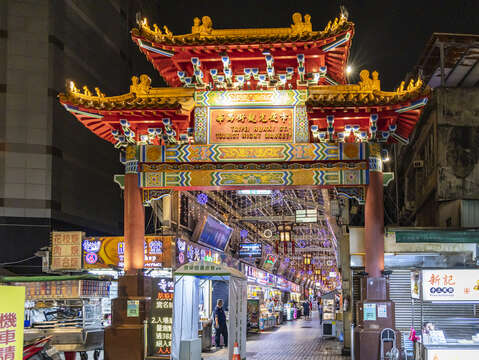
The Huaxi Street Tourist Night Market is the most well known international tourist night market in Taipei, for more than 50 years of history selling mostly tonic food, Chinese herbal food, crafts, commodities, gourmet snacks. Seafood cuisine is especially famous here, and the "Tainan Danzai Noodle" House decorated in art-deco style is Huaxi's signature gourmet restaurant. Other special features that attract large crowds are the Chinese herbal cuisine cooked with snake, foot massage shops, healthoriented spa.
👉 Read More
U-Market (Xinfu Market)
Constructed in 1935 during the Japanese colonial Period, the original governmental-owned U-Market has been transformed into a cultural space featuring a bar and art exhibitions inside this Japanese style building.
Monga Da Fond Fishball
【Brand story】
As the big ship entered the harbor, it brought the abundance of the sea. A family from the north, who had settled in Keelung in their early years, embarked on this journey. The grandfather, accompanied by his 13-year-old son, made a name for themselves by crafting every piece of fish ball with dedication. Years later, in the Dong San Shui Market of Wanhua, Taipei, the son found his place and started his own business. He ground fresh fish into a paste and meticulously prepared the ingredients for deep-fried treats, developing strong hands from a young age and braving the chilling sub-zero temperatures. Through the passing years, the spirit of craftsmanship was passed down through three generations of the Zheng family. They remain faithful to their grandfather's original recipes while constantly innovating. The old flavors of Wanhua, fresh and abundant fish balls, are a true delight. Enjoy them while they're fresh!
【Key points of transformation】
The market's old fish ball stall transforms into a culinary and tourist highlight in Mengjia.
Formerly known as “Da Feng Fish Ball,” this 60-year-old establishment is situated in the East San Shui Street Market of Wanhua. The owner, also a member of the local vendors' association, aspired to lead fellow market vendors through his own achievements. Due to the similarity of their trademark with that of other businesses and the lack of trademark usage rights, their brand expansion faced challenges.
Through a transformation, the brand has been repositioned as “Mengjia's old skilled artisan fish ball shop,” emphasizing quality products and artisanal craftsmanship. They have embraced a new name, “The Fond Fishball,” along with the slogan, “Handcrafted Excellence.” Their stall, with its Japanese-style seafood shop theme, has been revamped to exude a warm ambiance. Combined with a dine-in area and hands-on experience opportunities, this transformation has turned the East San Shui Street Market into a culinary and tourist attraction in Mengjia."
Heritage and Culture Education Center of Taipei (Bopiliao Historic Block)
Featuring well-preserved street style from the Qing Dynasty and traditional shophouses, this architecture space reflects the historical development of Monga with its unique historic culture and architectural elements.
Chuan Yeh Ba Wan
【Brand story】
In 1910, next to the Hsinchu Chenghuang Temple, our ancestor Chen Chengye started his business by shouldering the burden and selling meatballs. Later, under the guidance of the Ling'an Zunwang of Hsinchu's Qingshan Temple, our ancestors, along with our grandfather, moved the entire family to Mengjia. Here, they continued to receive the protection of Qingshan Temple's divine presence.
The name “Hsinchu Meatballs” was chosen to honor their place of origin. They marinated fresh pork hind legs in red yeast sauce for a day and a night. Handcrafted and kneaded for flavor, the meatballs were rich and fragrant. They used sweet potato starch and five-grain rice to hand-make the chewy meatball skin. Adding Puli shiitake mushrooms and Chiayi bamboo shoots enhanced the texture and aroma. Deep-fried in medium heat, traditional red yeast sauce is drizzled over them.
From generation to generation, the Chen family has continued to make meatballs by hand every day.
Starting in Hsinchu and establishing roots in Mengjia, both places have been blessed by the Qingshan Wang. In 2021, we took one character from our ancestor's name and renamed our business to “Chuan Ye Meatballs,” with the hope that our family's century-old legacy will remain forever, and our delicious meatballs will continue to be enjoyed for generations to come.
【Key points of transformation】
The old meatball store deepens its heritage, and the green hills of both places have protected it for a hundred years.
Established in Hsinchu, a century-old brand of meatballs, owes its origins to the inspiration from the local Qing Shan (Green Hill) Temple. Generations before, the family moved to Wanhua. Last year (2021), the Hsinchu meatball store was renamed “Chuan Ye Meatballs,” and the store was renovated. This light transformation refines the brand's core, positioning it as “Centennial Traditional Red Fermented Meatball” and using the slogan “Green Hills Remain, Deliciousness Flows Like a River” to focus on the connection between the brand and the Qing Shan Temple in Hsinchu and Mengjia (Wanhua). It includes adjusting the large wall paintings of the Mengjia Qing Shan King Festival inside the store and decorating the storefront and arcade to strengthen the memory and historical foundation of the hundred-year-old store."
Lungshan Temple
Built in 1738, Lungshan Temple is a representative building of Taiwan's traditional temples that combines the palace-style Chinese architecture. As a national monument, the temple attracts countless domestic and foreign tourists each year.
Xiyuan Road-Buddhist Article Street
Xiyuan Road-Buddhist Article Street is a famous Buddhist art shopping street in Taiwan. There are about 20 Buddhist art shops on both sides, presenting fully the rich diversity of Taiwan's religious culture.
Qingyun Building
Navigating along the bustling Huaxi Street, slipping into winding alleys, one unexpectedly encounters the unique townhouse style of Wanhua District, like a graceful exotic lady standing amidst bustling surroundings. The Qingyun Building possesses a captivating architectural style. Besides being a landmark of the red light district during the Japanese colonial period, it was also the largest entertainment venue in Taiwan at that time. Although it has now been transformed into a revitalized space for arts and culture, the building's majestic exterior and meticulous interior details remain intact. The preservation and restoration team has carried out work on many elements of the building in a way that stays faithful to the cultural history behind it.
As one strolls about here, one feels the historical ambience of the past, not one of social discord but the progressive journey towards a diverse and inclusive culture. Moving forward from Qingyun Building, one encounters stony remnants of the Qing Dynasty's city wall, and, further ahead, glimpses of the story of He Nai Zhuang tea house. One can imagine the recreational activities by the waterside. While such scenes are no longer visible, the unique entertainment life here and the development along the river are closely related. Exploring the various facets of Wenhua through the paths of the waterway, one finds numerous charming elements worth a second look.
Huaxi Street Tourist Night Market
The Huaxi Street Tourist Night Market is the most well known international tourist night market in Taipei, for more than 50 years of history selling mostly tonic food, Chinese herbal food, crafts, commodities, gourmet snacks. Seafood cuisine is especially famous here, and the "Tainan Danzai Noodle" House decorated in art-deco style is Huaxi's signature gourmet restaurant. Other special features that attract large crowds are the Chinese herbal cuisine cooked with snake, foot massage shops, healthoriented spa.
👉 Read More
- Day 1
Day 1